
Before combines, wheat sat in the field for days or weeks, tied in bundles to dry. After a little rain and a few warm days, some of those kernels started to sprout.
For the farmer, that was a problem. Sprouted grain doesn't store as long, and it bakes differently. Today it even has a name, pre-harvest sprouting, and modern farming works hard to prevent it.
But for the family eating that grain, it was quietly a gift. When a seed starts to sprout, it unlocks its own stored minerals. That unlocking is the whole idea behind soaking and sprouting grains, beans, nuts, and seeds.
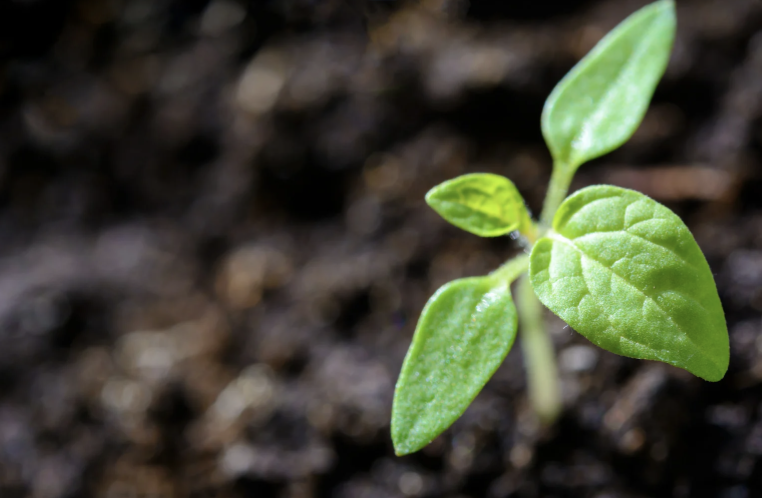
What was a storage problem for the farmer was a nutrition bonus for the family.
Traditional cultures knew this long before anyone could measure it. They soaked overnight, sprouted on the windowsill, and fermented into sourdough or dosa batter. Research now shows those habits can change what your body is able to absorb.
If grains and beans leave you bloated or heavy, or your iron or zinc runs low even though you eat well, how those foods are prepared may be part of the picture. Common is not the same as normal.
Why seeds hold on to their minerals
Grains, beans, nuts, and seeds are all seeds. And seeds are built to protect themselves until the conditions are right to grow. That protection comes from compounds often called anti-nutrients.
The big one is phytic acid (phytate). It's how a seed stores phosphorus for later. In your gut, it also grabs onto iron, zinc, calcium, and magnesium and carries them out before you can absorb them. Humans don't make enough of the enzyme that breaks it down, called phytase.
Bran and germ of whole grains, beans, nuts, seeds. Binds iron, zinc, calcium, and magnesium.
Lowered by: fermenting, sproutingHighest in raw red kidney beans. In large amounts they can irritate the gut.
Lowered by: boilingDark-skinned beans, sorghum, some millets. Bind iron and protein.
Lowered by: soaking, removing hullsBuckwheat, quinoa, almonds, leafy greens. Bind calcium.
Lowered by: soaking, boilingLegumes, especially soy. Can slow protein and starch digestion.
Lowered by: heat, sproutingThe bitter coating on quinoa. Can bother a sensitive gut.
Lowered by: a good rinseHere's the part the internet often skips: the name oversells the threat. Many of these compounds are also studied for protective effects. Phytate acts as an antioxidant, and tannins are polyphenols. Diets rich in whole grains and beans are consistently linked with good long-term health. The goal is preparation, not avoidance.
If oxalates are part of your story, I dig into them in Oxalates: The Hidden Superfoods Trying to Kill You.
What soaking, sprouting, and fermenting actually do
All three work the same way. Grains and beans carry their own phytase. Water, warmth, and a slightly acidic environment wake that enzyme up, and it starts breaking down phytate so the seed can use its minerals to grow. Fermentation adds a second helper: the phytase made by friendly bacteria.
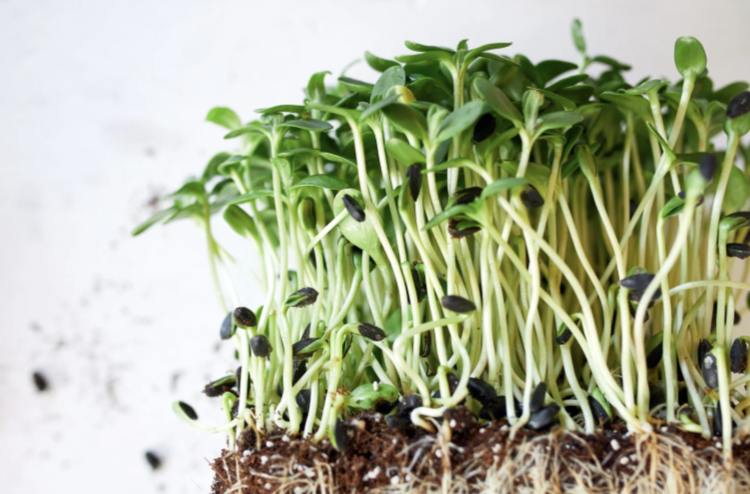
Least
Modest phytate drop. Great for texture, cooking time, and washing out tannins.
More
Phytase climbs as the seed wakes up.
Most
Plant phytase plus bacterial phytase and acidity.
In a well-known brown rice study, fermentation removed 56% to 96% of phytic acid, more than soaking or sprouting. Long sourdough fermentation of whole wheat flour cut phytate by about 62%, compared with about 38% for regular yeast bread.
Maize · soaking + sprouting + fermenting
81% lower phytate-to-zinc ratio
Stacking the methods worked best. Each step builds on the last.
An honest caveat
Less phytate doesn't automatically mean more minerals in you. Fiber and other compounds in grain bind minerals too, and some minerals wash out into the soaking water. Preparation is a real lever, especially if grains and beans are a big part of how you eat. It works best alongside mineral-rich foods.
One simple pairing helps too: vitamin C in the same meal partly offsets phytate's effect on iron absorption. A squeeze of lemon, some peppers, or a handful of berries next to your grains earns its place.
See the phytate research
Brown rice, 2008: Fermentation was the most effective treatment for lowering phytic acid (56–96% removal), followed by soaking and germination. Lower phytate did not always translate to more soluble zinc.
Sourdough, 2005: A moderate drop in pH during sourdough fermentation was enough to activate wheat's own phytase and reduce phytate in whole wheat flour.
Maize, 2024: Combining soaking, germination, and fermentation gave the largest drop in phytate and the best estimated iron and zinc bioavailability.
Vitamin C, 1989: Phytate strongly inhibited iron absorption in a dose-dependent way, and ascorbic acid significantly counteracted it.
Liang et al., Food Chemistry, 2008 · Leenhardt et al., J Agric Food Chem, 2005 · Nsabimana et al., Frontiers in Nutrition, 2024 · Hallberg et al., Am J Clin Nutr, 1989
Free Kitchen Guide
The Soaking & Sprouting Guide
This post is the why. The guide is the how, a 14-page companion you can keep on your counter.
- Step-by-step soaking, sprouting, and fermenting methods
- A soak-and-sprout timing chart for 20+ grains, beans, nuts, and seeds
- Grain-by-grain tips, storage, and easy ways to start
- The safety notes most sprouting guides leave out
Tell me where to send it:
Gentler on the gut? The FODMAP connection
If beans and bread leave you gassy or bloated, phytate may not be the only reason. Beans are rich in carbohydrates called GOS, and wheat and rye carry fructans. These are FODMAPs: carbs that pass through the small intestine undigested and ferment in the colon. In a sensitive gut, including many people with IBS, that means gas, pressure, and pain.
Preparation helps here too:
- Soak and drain. GOS dissolve in water, so pour off the soaking water and cook in fresh water. Rinse canned beans well.
- Sprout. When Monash University researchers sprouted wheat, barley, rye, kidney beans, and mung beans, FODMAPs dropped. Chickpeas were the exception and went up slightly.
- Choose real sourdough. In one small trial, long-fermented sourdough wheat bread had 74% fewer FODMAPs than yeast bread. People with IBS in that trial didn't feel noticeably better on it, though, so tolerance is individual.
Your nervous system matters here as well. A gut that's been under long-term stress can become more sensitive to normal amounts of gas and stretch. That's one reason calming the nervous system often changes how food feels, even when the food stays the same.
Sources: Monash University, Sprouting and FODMAPs · Laatikainen et al., Nutrients, 2017
Food by food: what's worth the effort
Oats need a borrowed enzyme
Oats carry very little phytase of their own, and most rolled and steel-cut oats are heat-treated, so soaking them in plain water does little. The fix: borrow phytase. Stir a tablespoon or two of buckwheat flour (gluten-free), whole rye flour, or a spoonful of sourdough starter into your soaking oats. In a Swedish study, porridge made with malted (sprouted) oats significantly improved zinc and iron absorption compared with regular oats.
Brown rice does better sprouted than soaked
Brown rice has a tight outer layer that limits what soaking can reach. If you want a real shift, sprout it or ferment it.
Beans: soak, discard, and boil
Soaking beans shortens cooking time and may cut the sugars that cause gas. It does not make raw beans safe. Raw red kidney beans carry a lectin called phytohaemagglutinin, and according to the FDA, just four or five raw or undercooked beans can cause severe vomiting and diarrhea. Soak dried kidney beans at least five hours, drain, then boil in fresh water for at least 30 minutes. Slow cookers may never reach a boil, so boil first. Canned beans are already cooked and safe.
Nuts: soak for taste, not minerals
"Activated" nuts are popular, but the research hasn't backed up the mineral claims. When University of Otago researchers soaked almonds, hazelnuts, peanuts, and walnuts, phytate barely changed, mineral content generally dropped, and salty soaks sent sodium way up. A separate trial found soaked almonds didn't improve digestive comfort. If you love the softer texture, keep doing it. Just know the benefit is preference.
Broccoli sprouts: a genomics favorite
Three-day-old broccoli sprouts can contain 10 to 100 times more glucoraphanin than mature broccoli, according to the original Johns Hopkins research. When you chew them, it converts to sulforaphane, one of the most studied activators of Nrf2, the pathway that switches on your body's own antioxidant and detox enzymes. That makes broccoli sprouts especially interesting if your genes show variations in detox pathways. More on that in Understanding Your Detox Pathways.
See the food-by-food research
Oats, 1996: Breakfast porridge made from malted oats with reduced phytate gave significantly higher zinc and iron absorption than porridge from regular oats.
Kidney beans: The FDA describes phytohaemagglutinin as a lectin found in raw or undercooked beans. Properly cooked and canned beans carry levels too low to cause illness.
Activated nuts, 2020 and 2018: Soaking nuts did not meaningfully lower phytate or improve mineral availability. Soaked almonds were not better tolerated; flatulence was actually rated slightly higher.
Broccoli sprouts, 1997: Three-day-old sprouts of certain broccoli cultivars contained 10 to 100 times more glucoraphanin than mature plants.
Larsson et al., Br J Nutr, 1996 · FDA, Natural Toxins in Food · Kumari et al., Food Chemistry, 2020 · Taylor et al., Eur J Nutr, 2018 · Fahey et al., PNAS, 1997
Sprouting safely
The warm, moist conditions that wake a seed up are also perfect for bacteria like Salmonella, E. coli, and Listeria. The FDA counted 52 outbreaks linked to sprouts in the U.S. between 1996 and 2020. Bacteria can hide inside the seed coat, so even careful rinsing can't guarantee a raw sprout is clean.
- Cook your sprouts if you're pregnant, older, have a weakened immune system, or are feeding young children. The FDA advises these groups to avoid raw sprouts of any kind. Toss them into a hot stir-fry, soup, or grain bowl instead.
- Buy seeds sold for sprouting, wash jars and lids in hot soapy water, drain completely every time, and refrigerate finished sprouts.
- Skip alfalfa if autoimmunity is part of your story. Alfalfa contains L-canavanine, and the Johns Hopkins Lupus Center advises people with lupus to avoid alfalfa sprouts. Choose broccoli or radish instead.
- When in doubt, throw it out. A sour or musty smell, slime that won't rinse off, or fuzzy gray, green, or black spots mean the batch is done.
Sprouted grains you cook, bake, or dry into flour carry far less of this concern than raw sprouts eaten fresh.
Sources: FDA, Final Guidance for Seeds Used for Sprouting · FDA, Food Safety for Moms-to-Be · Johns Hopkins Lupus Center
Same plate, different body
Two people can eat the same well-prepared meal and absorb, convert, and use its nutrients very differently. Genetics is a big part of why.
Variations in genes like HFE and TMPRSS6 shape how your body regulates iron. For some people, absorbing more iron isn't the goal at all. BCMO1 affects how well you turn beta-carotene from plants into vitamin A. MTHFR affects how you activate folate, and sprouted grains and legumes are great folate sources. Soaking and sprouting change what's on your plate. Your genes influence what happens after that.
That's why I pair Functional Genomics Testing, which shows your blueprint, with functional nutrient testing like the NutrEval, which looks at more than 125 blood and urine markers to show how that blueprint is playing out right now. As I put it in my minerals post: genes are the blueprint, minerals are the building materials.
Where to start
Start with one food you already eat often. Soak your oats with a spoonful of buckwheat flour this week, or set a jar of lentils on the counter. Notice how your digestion and energy respond. Small, repeatable changes tell you more than a complete kitchen overhaul.
And if you've been eating well for a long time and still feel depleted, bloated, or low on iron, preparation may be only one piece. Your genetics and your current nutrient status are often where the rest of the answer lives.
Written by Helen Parde, Integrative Health Facilitator at Whole Body and Sole, Herriman & South Jordan, Utah.